 Minutes to read.
Who Is the Real God According to Kabir’s Teachings?
The spiritual verses, hymns, and couplets (Dohas) of the 15th-century saint Kabir are celebrated worldwide for their deep philosophical meaning. However, a major question frequently puzzles spiritual seekers and scholars alike: Who is the real God according to Kabir?
Because his verses use various traditional names for the divine—such as Ram, Allah, Hari, Sahib, and Govind—many mainstream articles claim he believed God was just a formless energy residing inside every human being.
When looking through the lens of true spiritual knowledge (Tatvagyan), a completely different, profound reality is revealed. He was not speaking of a formless force, nor was he pointing to popular deities. Instead, his teachings explicitly name and describe a singular, supreme entity.
1. The True Meaning of "Ram" in His Verses
A common misconception is that when the saint praised "Ram," he was referring to King Ram of Ayodhya (the incarnation of Lord Vishnu). However, he explicitly clarified this misunderstanding in his own writings by stating:
"One Ram is the son of Dashrath, one Ram resides in every being, one Ram is the creator of the universe, and one Ram is completely distinct from all of them."
His teachings reveal that the ultimate "Ram" is the Supreme Almighty, who exists entirely independent of the material universe and does not enter the cycle of human birth or karmic suffering.
2. The Supreme Deity: KavirDev (Param Akshar Purush)
According to deep spiritual philosophy, the name of the true, eternal God is KavirDev (also referred to as Param Akshar Purush or the Sat Purush).
His teachings explain that the universe is divided into different realms, and the material world we inhabit is governed by a mortal entity known as Kaal Brahm. The traditional trinity—Brahma, Vishnu, and Shiva—are highly powerful deities, but they are still trapped within this temporary universe and are subject to birth, aging, and cosmic destruction.
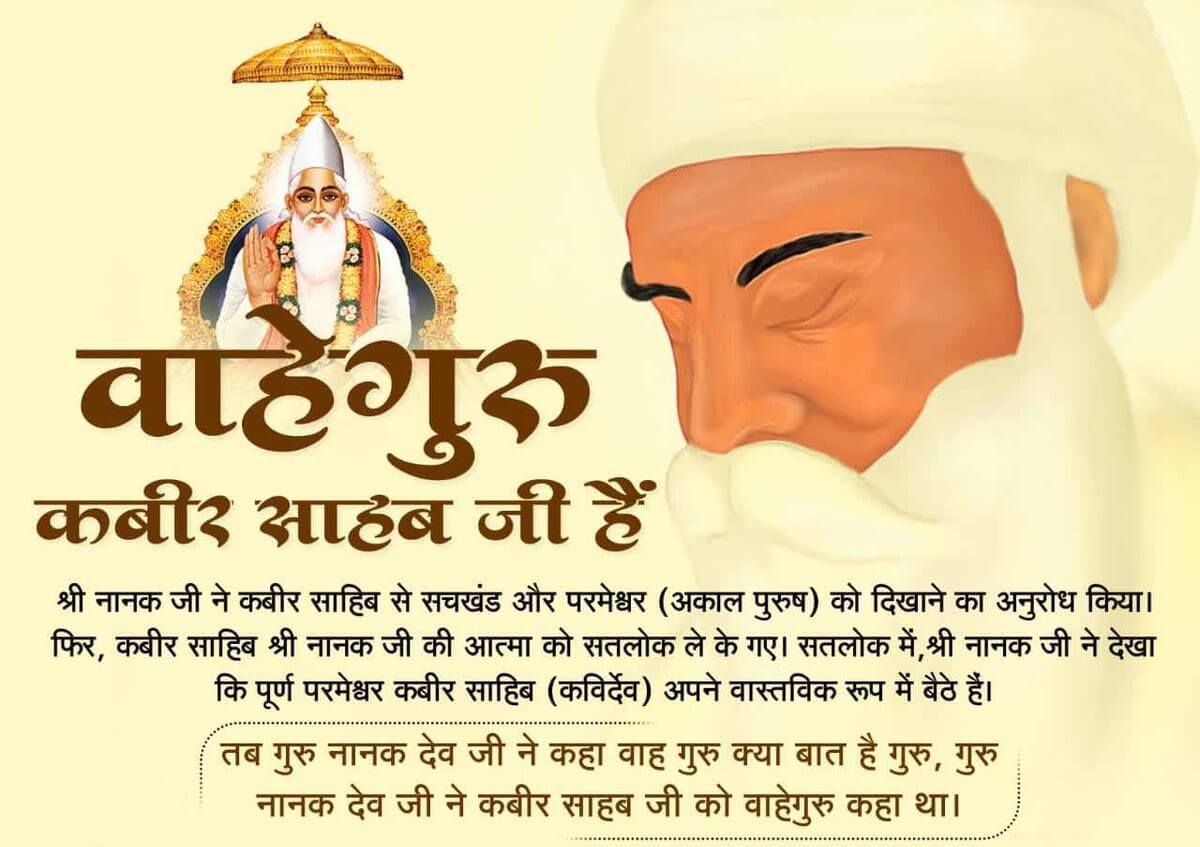
The real God, KavirDev, resides far beyond this material creation in an eternal, sorrow-free spiritual realm called Satlok. He is the ultimate creator of all souls and the universe itself.
3. God Is Formful, Not a Formless Light
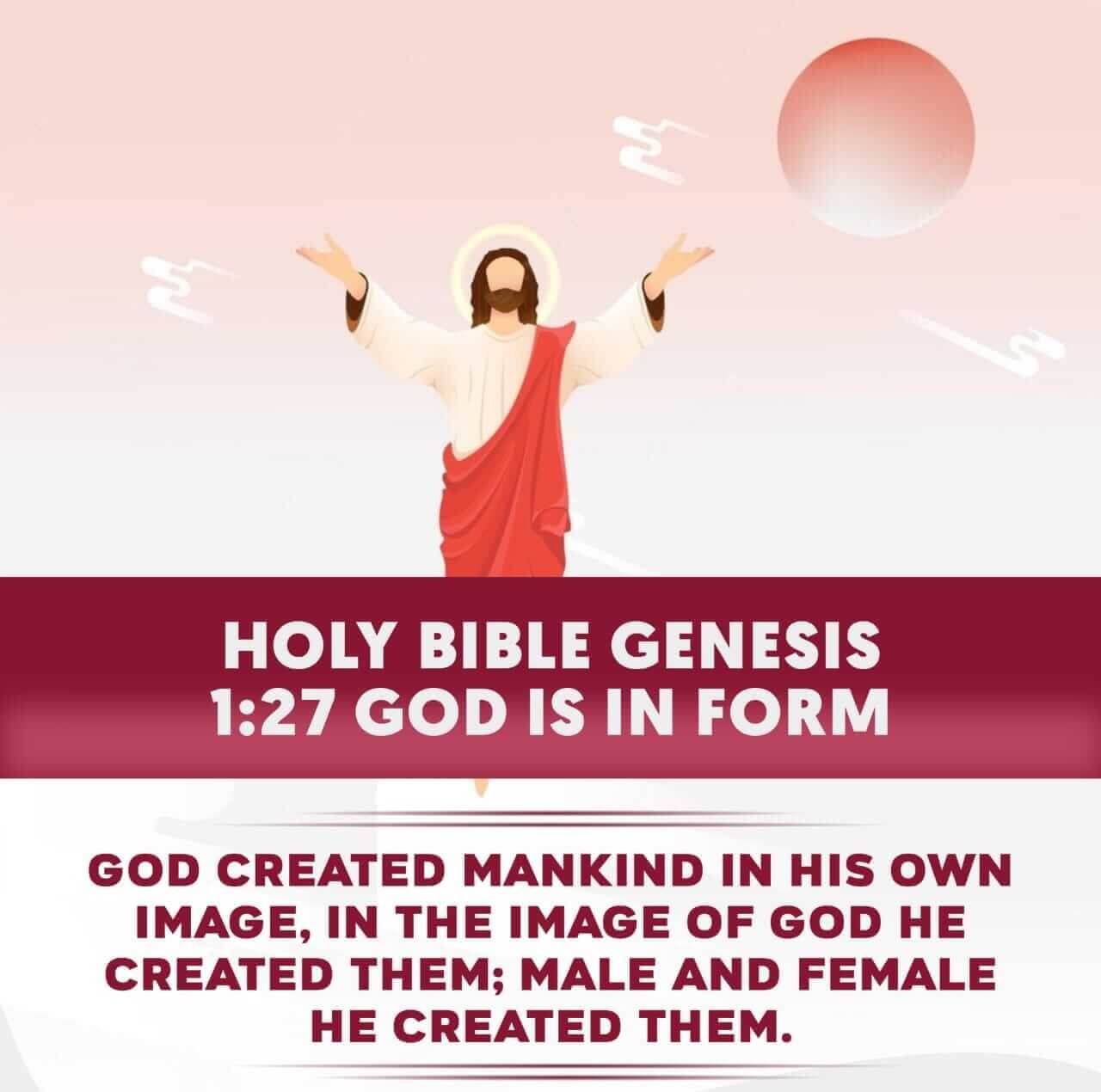
While many modern interpretations claim that the saint taught God is Nirakar (completely formless), true spiritual knowledge clarifies a hidden truth: God has a divine, radiant physical form.
His verses describe the Supreme God as a visible, glorious entity who sits on a throne in Satlok. The misconception of a "formless" God arose because human eyes cannot perceive His intense spiritual brilliance. His teachings emphasize that God looks like a human being, but His body is made of pure light rather than perishable flesh and bone.
4. Only the Supreme God Can Grant Ultimate Salvation
The primary objective of his life on Earth was to redirect humanity away from futile rituals and point them toward the only entity capable of destroying bad karma.
His teachings emphasize that praying to mortal deities can provide temporary worldly benefits, but it cannot break the painful cycle of birth and rebirth. True liberation (moksha) can only be achieved by worshipping the Supreme Creator, KavirDev, under the guidance of a complete spiritual master who possesses the authentic mantras.
Conclusion: Recognizing the Supreme Creator
To understand who the real God is according to these teachings, one must look past superficial language barriers. Whether using the word Allah Kabir or Sat Purush, his message remained entirely consistent: there is only one Supreme, Immortal God who rules over Satlok, and returning to Him is the ultimate purpose of human life.
Frequently Asked Questions About the God of Kabir
Q1: Did Kabir believe in Lord Rama?
Answer: Kabir used the name "Ram" frequently in his poetry, but he explicitly clarified that he was not referring to King Ram of Ayodhya (the son of King Dashrath). To Kabir, "Ram" represents the Param Akshar Brahm—the Supreme Almighty who resides in the eternal realm of Satlok and never takes birth or suffers from karma.
Q2: Is Kabir himself considered God?
Answer: Yes, according to deep spiritual philosophy and texts like the Kabir Sagar, Kabir was the Supreme God (KavirDev) operating on Earth in a physical form. He performed the role of a humble weaver and a disciple to teach humanity the correct path to salvation, but his true identity is the eternal Creator.
Q3: What is Satlok in Kabir's teachings?
Answer: Satlok (or the Eternal Abode) is the supreme, immortal spiritual realm that exists far beyond our temporary material universe. Unlike our world, which is governed by Kaal Brahm and subject to destruction, Satlok is entirely free from sorrow, birth, old age, and death.
Q4: Why did Kabir criticize the worship of Brahma, Vishnu, and Shiva?
Answer: Kabir did not deny the existence of the Hindu trinity, but he revealed that Brahma, Vishnu, and Shiva are themselves trapped within the cycle of birth and death under the laws of karma. He taught that because they are not immortal, they cannot grant ultimate liberation (moksha) to human souls.